
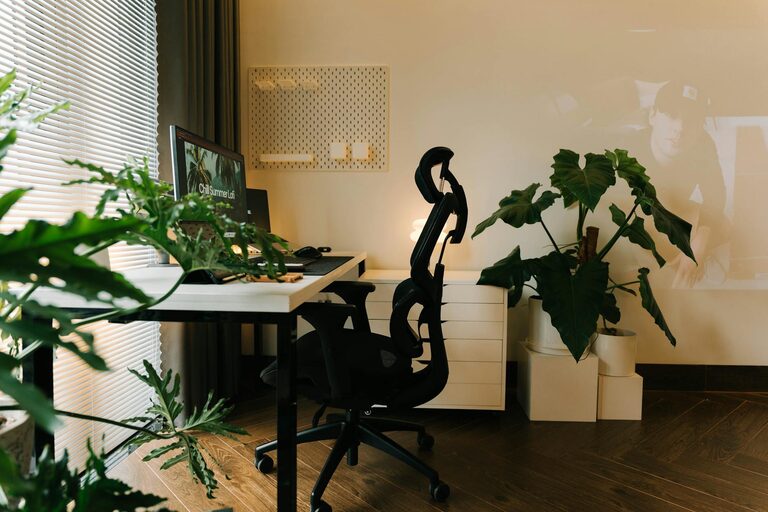
Creating a home office that is both productive and comfortable can significantly enhance your work-from-home experience. Whether you’re working remotely full-time or just need a dedicated space for occasional tasks, having a well-designed area helps maintain focus and reduces stress. Here are some practical tips to help you build a home office that works for you.
Choose the Right Location
Selecting the best spot for your home office is crucial. Ideally, pick a space that is quiet and away from heavy foot traffic to minimise distractions. If possible, choose a room with a door so you can close yourself off when needed.
Consider Natural Light
Position your desk near a window to take advantage of natural light. Not only does sunlight improve mood and energy levels, but it also reduces eye strain. Avoid placing your screen directly in front of or behind the window to prevent glare.
Invest in Comfortable Furniture
A productive workspace starts with the right furniture.
Ergonomic Chair
Choose an adjustable chair with good lumbar support to keep your posture in check during long hours of sitting. Comfort here is key to preventing back and neck pain.
Functional Desk
Select a desk that provides enough surface area for your computer, documents, and any tools you use regularly. Height-adjustable desks are a great option if you want to alternate between sitting and standing, which can improve circulation.
Organise with Purpose
Clutter can be a major distraction. Keeping your workspace tidy helps you stay focused.
Storage Solutions
Use shelves, filing cabinets, or storage boxes to keep documents and supplies organised. Label items clearly so you can find what you need quickly.
Cable Management
Tidy cables with clips or cable organisers to reduce messy tangles and keep your workspace looking neat.
Optimise Lighting
Besides natural light, good artificial lighting is important.
Task Lighting
A desk lamp with adjustable brightness helps illuminate your work area without causing glare or shadows.
Ambient Lighting
Ensure the overall room lighting is soft but sufficient to avoid eye strain, especially during darker hours.
Personalise Your Space
Adding personal touches can make your home office more inviting and motivating.
Plants
Indoor plants improve air quality and add a calming touch to your desk.
Artwork and Photos
Decorate with pictures or art that inspire you, but keep it minimal to avoid distractions.
Minimise Noise Distractions
Creating a quiet environment helps with concentration.
Noise-Cancelling Headphones
If ambient noise is unavoidable, headphones can help block out distractions.
Soundproofing
Consider adding rugs, curtains, or even acoustic panels to reduce echo and soften external sounds.
Maintain Good Air Quality and Temperature
A fresh, comfortable environment boosts focus and well-being.
Ventilation
Open windows regularly or use an air purifier to maintain fresh air circulation.
Temperature Control
Keep your workspace at a comfortable temperature, typically between 20–22°C, to avoid feeling too hot or too cold.
Set Boundaries and Routine
Your home office should also support mental separation between work and personal life.
Defined Work Hours
Plan clear start and finish times to avoid overworking.
Break Space
Designate an area nearby to take short breaks and refresh before returning to work.
—
By implementing these tips, you can create a home office that not only feels comfortable but also encourages productivity. Remember, the goal is to build a space that fits your personal work style and supports your daily tasks effectively. Happy working from home!