
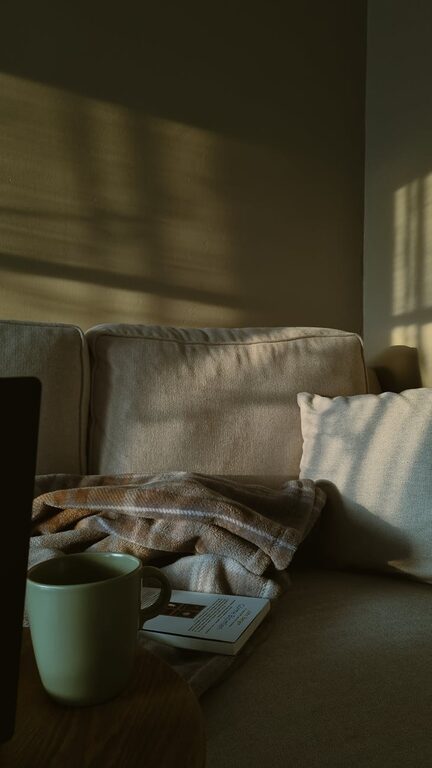
Creating a cosy and inviting reading nook at home is a wonderful way to carve out a little sanctuary where you can escape into the world of books. Whether you have a spare corner, a quiet alcove, or simply want to transform part of your living room or bedroom, a well-designed reading nook can boost relaxation and enjoyment. Here are some tried-and-true tips to help you design the perfect spot for your reading pleasure.
Choose the Right Location
The first step in creating a reading nook is finding a suitable spot. Ideally, it should be a quiet, low-traffic area with some natural light for daytime reading. Popular locations include:
– By a window with a view
– Under the stairs or in an alcove
– A corner in the living room or bedroom
– A section of the attic or library
If natural light isn’t available, plan for soft but sufficient lighting to avoid eye strain.
Select Comfortable Seating
Comfort is key in any reading nook. You’ll want a chair or seating option that invites you to settle in for a long read. Consider:
– A comfy armchair or wingback chair with supportive cushioning
– A chaise lounge for stretching out
– A window seat with plenty of soft cushions
– A beanbag or floor cushions for a casual vibe
Add a throw blanket for extra warmth and snugness.
Lighting Matters
Good lighting dramatically improves the experience of a reading nook. Here’s how to approach it:
– Use a combination of natural and artificial light
– Position your seat near a window if possible
– Add a reading lamp with adjustable brightness and direction
– Choose warm, soft lighting for a relaxing atmosphere, rather than harsh white light
Avoid placing lights behind your head as it can create shadows on your book.
Incorporate Storage for Books and Accessories
Keeping your favourite books and reading essentials close by helps maintain the inviting nature of the nook. Ideas include:
– Small bookshelves or wall-mounted shelves
– A nearby side table or small cart for books, bookmarks, and reading glasses
– Baskets for magazines or newspapers
– A cosy basket for extra blankets or knitted cushions
Organising the space reduces clutter and enhances calmness.
Enhance the Ambiance with Textiles and Decor
Soft textures and personal touches make a nook feel special and welcoming. Think about:
– Cushions in varying sizes and patterns that complement your colour scheme
– A soft rug beneath your feet
– Drapes or curtains if your nook is near a window
– Wall art or framed prints related to literature or nature
– Indoor plants to bring freshness and calm
Keep decorations minimal but meaningful to avoid distractions.
Personalise Your Space
A reading nook is your personal haven, so infuse it with items that reflect your taste and interests:
– A favourite mug for tea or coffee
– A small clock or timer if you like to keep track of reading sessions
– Candles or essential oil diffusers for a calming scent
– A notebook or journal for writing down thoughts or favourite quotes
Personal touches help make the nook feel truly yours.
Consider Practicalities
When designing your nook, keep practical details in mind to ensure it is functional and enjoyable:
– Ensure your seat has good back support if you tend to read for long periods
– Keep a small basket or bin nearby for used tissues or scraps of paper
– Think about noise—earplugs or soft background music might enhance focus
– Opt for materials that are easy to clean, especially if you drink beverages while reading
Make It a Habit
Once your nook is ready, create a routine to make the most of this space:
– Dedicate certain times of the day or week for reading breaks
– Limit distractions such as mobile phones or TV in this area
– Invite family or friends to share reading sessions for a communal experience
With habit, your nook will become a cherished part of your daily life.
—
Creating a cosy and inviting reading nook doesn’t require a large budget or a lot of space. By focusing on comfort, lighting, storage, and personal touches, you can transform any corner into a peaceful retreat that nurtures your love of books. Happy reading!