
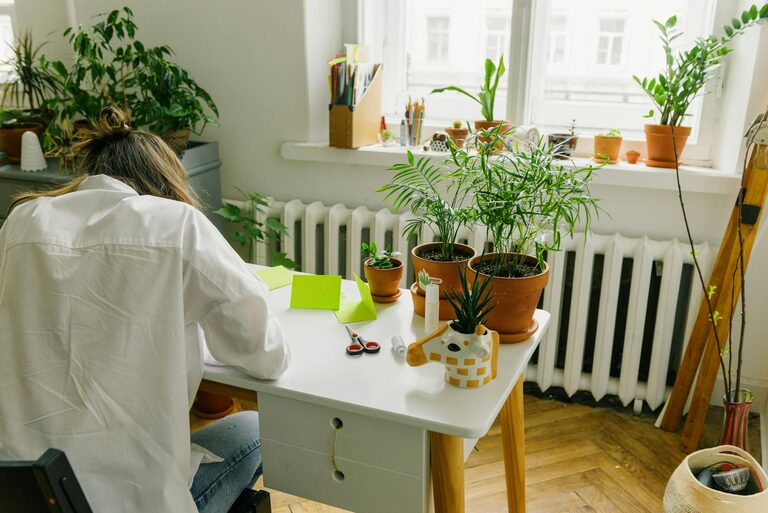
Creating a home office that is both sustainable and eco-friendly is a wonderful way to reduce your environmental impact while enjoying a comfortable and productive workspace. Whether you work from home full-time or occasionally, adopting green practices can make a significant difference. In this post, we’ll explore practical tips to help you design a home office that supports your wellbeing and the planet.
Why Choose a Sustainable Home Office?
Working from home presents an excellent opportunity to rethink how your space functions and consumes resources. A sustainable home office:
– Minimises energy use
– Reduces waste and clutter
– Supports healthier indoor air quality
– Encourages mindful consumption
– Often saves money in the long term
By making considered choices, you can create a space that feels good to use and aligns with your values.
Setting Up Your Eco-Friendly Home Office
1. Choose Sustainable Furniture
Opt for furniture made from natural or recycled materials. Solid wood, bamboo, or responsibly sourced timber options are durable and more environmentally friendly than plastic or particleboard.
Consider purchasing second-hand or vintage desks and chairs. Refurbishing preloved items reduces demand for new manufacturing and often adds character to your space.
2. Maximise Natural Light
Position your desk near a window to make the most of daylight. Natural light improves mood and focus, while reducing the need for artificial lighting during daytime hours.
Use light-coloured paint and reflective surfaces to enhance brightness. Avoid heavy curtains; instead, choose light blinds or shades made from sustainable materials such as organic cotton.
3. Use Energy-Efficient Lighting
For when daylight isn’t sufficient, choose energy-saving LED bulbs. They consume less electricity and have a far longer lifespan than traditional bulbs.
Use task lighting to focus light where it’s needed. A desk lamp with adjustable brightness helps reduce overall energy use.
4. Incorporate Plants
Indoor plants not only bring life and colour into your office but also improve air quality by filtering pollutants. Choose easy-care varieties such as spider plants, snake plants or pothos.
Plants can help create a calmer atmosphere and may boost creativity and productivity.
5. Reduce Electronic Waste
Be mindful of your technology choices. Maintain and repair your devices to extend their lifespan.
When upgrading, look for energy-efficient models bearing environmental certifications like Energy Star.
Recycle old electronics responsibly through official collection centres instead of throwing them in the bin.
6. Embrace Minimalism and Organisation
Clutter increases stress and waste. Keep only the items you need and use regularly.
Use organisers and storage solutions made from sustainable materials such as bamboo or recycled fibres.
Digitalise documents and notes to reduce paper usage, and set up a dedicated recycling system for paper, plastics and batteries.
7. Choose Eco-Friendly Office Supplies
Replace single-use plastics with reusable or biodegradable alternatives. For example:
– Refillable pens and pencils
– Notebooks made from recycled paper
– Eco-friendly adhesive tapes and glue
Buy in bulk to reduce packaging, and support brands committed to sustainable practices.
Additional Tips for a Greener Office Routine
– Switch off devices fully when not in use rather than leaving them on standby.
– Use a smart power strip to manage energy consumption of multiple devices.
– Opt for reusable coffee cups, water bottles and lunch containers to reduce waste.
– Take breaks away from your desk to refresh and reduce eye strain, promoting wellbeing.
Creating a Sustainable Home Office Is a Journey
Remember that sustainability is about progress, not perfection. Small changes can add up to a positive impact over time.
By thoughtfully designing your home office with sustainability in mind, you’ll create a space that supports your work and the planet simultaneously. Enjoy the benefits of a greener, healthier workspace every day.