
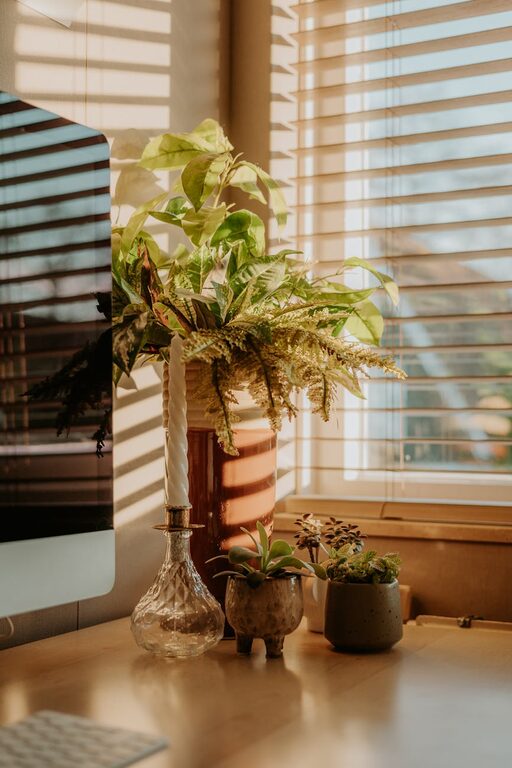
Creating a productive home workspace is essential for anyone looking to work or study efficiently outside of a traditional office. A well-designed environment can help minimise distractions, improve concentration, and increase overall job satisfaction. Whether you’re new to working from home or want to optimise your current setup, these practical tips will guide you through the process of creating a space where you can thrive.
Choose the Right Location
Selecting the ideal spot for your home workspace is the foundation of productivity. Consider these factors when choosing your location:
– Quietness: Find a space with minimal noise to avoid interruptions.
– Natural Light: Position your desk near a window to benefit from daylight, which can boost mood and alertness.
– Space Availability: Ensure there’s enough room for your equipment and any materials you need.
– Distance from Daily Distractions: Try to locate your workspace away from busy areas like the kitchen or living room.
If space is limited, even a small corner with a compact desk can serve as a dedicated work area provided it’s organised and separated from your relaxation spaces.
Invest in Comfortable and Ergonomic Furniture
Comfort plays a big role in maintaining focus throughout the day. Ergonomic furniture supports your posture and reduces the risk of discomfort or injury.
– Ergonomic Chair: Choose a chair with adjustable height, lumbar support, and comfortable cushioning.
– Desk Height: Your desk should allow your forearms to rest comfortably at a right angle while typing.
– Monitor Stand: Position your monitor at eye level to avoid neck strain.
– Keyboard and Mouse: Consider ergonomic options to minimise wrist strain.
Taking time to set up ergonomically will help prevent fatigue and maintain productivity for long periods.
Organise Your Workspace Efficiently
A cluttered desk can distract you and negatively impact your focus. Organising your workspace creates a calm and functional environment.
Declutter Regularly
Remove unnecessary items from your desk and storage areas. Keep only essential tools and materials at hand.
Use Storage Solutions
– Shelving Units: Use shelves to keep books and documents off your desk.
– Drawers and Boxes: Store supplies out of sight but within easy reach.
– Cable Management: Use clips or ties to keep cables tidy and prevent tangling.
Plan Your Layout
Arrange your workspace so that frequently used items are close by, which saves time and effort.
Optimise Lighting
Proper lighting is vital for reducing eye strain and maintaining energy levels.
– Natural Light: Make the most of daylight during working hours.
– Task Lighting: Use a desk lamp for focused lighting, especially in the evenings.
– Avoid Glare: Position screens to reduce reflections from windows or lights.
Adjusting the lighting in your workspace can make a clear difference in comfort and efficiency.
Minimise Distractions
Staying focused at home can be challenging with household noises and interruptions. Here are some strategies:
– Set Boundaries: Communicate your work hours to family or housemates.
– Use Headphones: Noise-cancelling headphones can help block distracting sounds.
– Limit Digital Distractions: Turn off non-essential notifications and use apps that block distracting websites.
– Create a Routine: A consistent schedule trains your mind to focus during work hours.
Personalise Your Workspace
Adding personal touches to your workspace can make it more inviting without compromising productivity.
– Plants: Indoor plants improve air quality and add a calming presence.
– Artwork or Photos: Display items that inspire or motivate you.
– Colour Scheme: Choose colours that promote concentration and positivity.
Just be careful not to overcrowd your space with decorations that could cause visual clutter.
Take Breaks and Move Regularly
Productivity isn’t just about the physical setup—it also involves how you manage your time.
– Use the Pomodoro Technique: Work in focused intervals followed by short breaks.
– Stretch and Move: Stand up and do simple stretches or walk around to refresh your body.
– Stay Hydrated and Eat Well: Keep water and healthy snacks nearby to maintain energy.
Incorporating breaks helps prevent burnout and keeps your mind sharp.
Leverage Technology Wisely
The right technology can streamline your work processes.
– Reliable Internet: Ensure you have a stable connection to avoid disruptions.
– Ergonomic Accessories: Wireless keyboards or mice can reduce clutter.
– Productivity Tools: Utilise apps for time management, note-taking, and communication to stay organised.
Regularly update your hardware and software to maintain smooth performance.
Conclusion
Creating a productive home workspace is about more than just having a desk and chair. It involves thoughtful consideration of location, comfort, organisation, lighting, and managing distractions. By tailoring your environment to your needs and establishing good habits, you set yourself up for a successful and enjoyable work-from-home experience. Remember, your workspace should inspire you and support your goals every day.
With these tips, you’re well on your way to designing a home office that works for you. Happy working!