
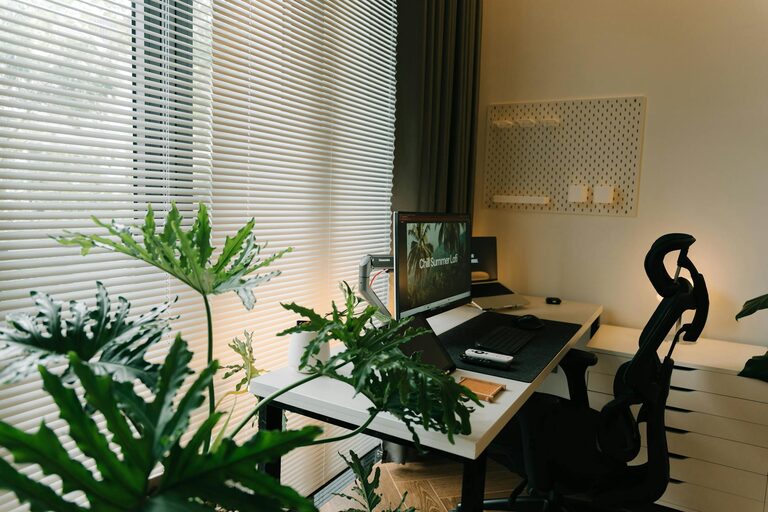
Working from home has become a common part of many people’s lives, offering flexibility and convenience. However, creating a home office that is both relaxing and productive can be a challenge. The right environment helps improve focus, reduce stress, and boost overall work satisfaction. Here are some practical tips to help you design a home office that supports your wellbeing and work goals.
Choose the Right Space
Find a Dedicated Area
If possible, select a separate area in your home exclusively for work. This helps to mentally separate work time from personal time. It could be a spare room, a corner of a living room, or even a customised nook. Avoid working from the bedroom, as this can blur the line between rest and work.
Consider Natural Light
Natural light can lift your mood and reduce eye strain. Position your desk near a window to benefit from daylight. If natural light is limited, invest in good quality artificial lighting that mimics daylight, helping to keep you alert.
Invest in Comfortable Furniture
Ergonomic Chair
Spend money on a comfortable, supportive chair that encourages good posture. Comfortable seating reduces the risk of back pain and fatigue during long hours of work.
Functional Desk
Choose a desk at the right height for you, allowing your arms to rest comfortably while typing. If space allows, consider an adjustable desk so you can alternate between sitting and standing.
Keep Your Workspace Organised
Declutter Regularly
An organised workspace reduces distractions and creates a calming atmosphere. Use drawers, shelves, or boxes to keep supplies tidy. Regularly clear unnecessary items from your desk to maintain focus.
Use Organising Tools
Desk organisers, cable tidies, and filing systems can streamline your workspace. Label files and storage boxes to find items quickly and avoid wasting valuable time.
Add Calming Elements
Introduce Plants
Houseplants not only improve air quality, but they also add a touch of nature which can reduce stress and increase productivity. Choose low-maintenance plants like succulents or spider plants if you don’t have a green thumb.
Incorporate Personal Touches
Display photos, artwork, or objects that inspire and cheer you up. Personal items make the space feel welcoming without becoming a distraction.
Manage Noise Levels
Use Noise-Cancelling Headphones
If noise from family members or neighbours disrupts your concentration, noise-cancelling headphones can be a lifesaver. They help create an immersive work environment even in a busy household.
Play Background Music or White Noise
Some people find soft music or ambient noise helps maintain focus. Experiment to see what works best for you.
Optimise Technology Setup
Reliable Internet Connection
A fast and stable internet connection is essential for virtual meetings and research. Position your router to ensure strong Wi-Fi signals or use a wired connection if possible.
Arrange Screen and Keyboard Properly
Your computer screen should be at eye level to reduce neck strain, and the keyboard positioned to keep wrists straight. Consider using external monitors or keyboards to get the best setup.
Maintain Regular Routines
Set Specific Working Hours
Define clear start and finish times for your working day. This helps focus during working hours and allows time to relax afterwards.
Take Breaks
Regular short breaks help recharge your mind and reduce fatigue. Use the breaks to stretch, walk around, or get fresh air.
Control Lighting and Temperature
Soft and Adjustable Lighting
Avoid harsh overhead lighting. Use desk lamps with adjustable brightness to create a comfortable atmosphere.
Keep Comfortable Temperature
Make sure the room isn’t too hot or cold, as uncomfortable temperatures can distract and reduce productivity. Use fans, heaters, or open windows to regulate the environment.
Stay Hydrated and Nourished
Keep a water bottle nearby and remember to drink regularly. Healthy snacks can also keep energy levels up without causing discomfort.
—
Creating a relaxing and productive home office doesn’t require an expensive makeover. By choosing the right space, organising thoughtfully, and adding personalised touches, you can build a workspace that supports your wellbeing and work efficiency. Experiment to find what works best for you, and enjoy the benefits of a well-designed home office.