
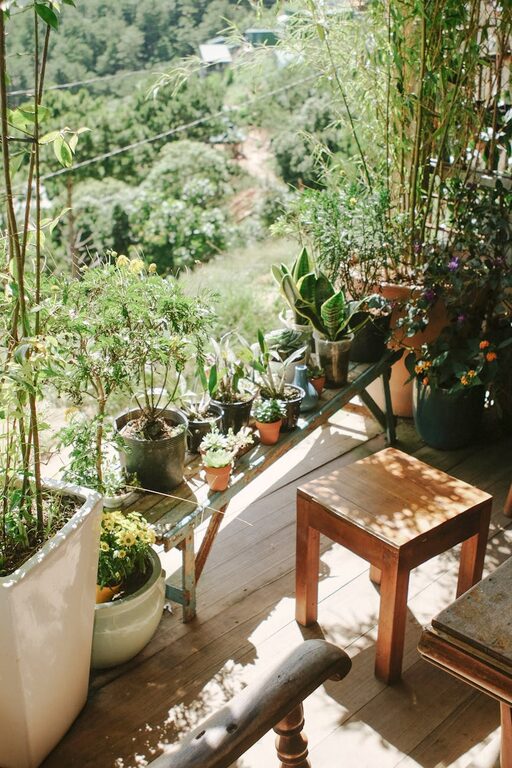
Creating a relaxing outdoor garden space at home can offer a wonderful sanctuary away from the hustle and bustle of everyday life. Whether you have a large garden or a small patio, with thoughtful design and a few simple additions, you can build a peaceful environment that encourages relaxation and reconnects you with nature.
In this post, we’ll explore practical tips to help you create your own calming garden retreat.
Choose the Right Location
When planning your garden space, consider the areas of your outdoor space that receive the best natural light and offer some privacy.
– Sunlight: Most people enjoy a sunny spot to relax, but it’s also important to have shaded areas for warmer days.
– Privacy: Position seating or lounging areas away from roads or neighbours’ views. Use fences, hedges, or screens to increase privacy.
– Accessibility: Make sure the garden is easy to access from your home — a path or direct door can help create a seamless indoor-outdoor flow.
Select Comfortable Seating
Comfortable seating is key to enjoying your garden space fully.
– Variety of Options: Consider combining different seating types such as benches, lounge chairs, hammocks, or garden swings.
– Cushions and Fabrics: Use outdoor cushions and weather-resistant materials for added comfort.
– Arrangement: Position seats to either face a focal point (like a flower bed or water feature) or to encourage conversation if you entertain guests.
Incorporate Soft Lighting
Soft outdoor lighting can extend the use of your garden into the evenings and add to the relaxing atmosphere.
– String Lights: These can be draped across fences or overhead to add a warm, magical glow.
– Solar Lights: Eco-friendly and easy to place along pathways or around key plants.
– Lanterns and Candles: Provide a gentle flicker that can be very calming without being overpowering.
Use Calming Plants and Natural Elements
Plants play a major role in creating a relaxing environment through their colours, scents, and textures.
– Choose Soothing Colours: Greens, soft blues, purples, and whites tend to promote calmness.
– Scented Plants: Lavender, jasmine, and rosemary can add calming fragrances.
– Natural Materials: Use wood, stone, and gravel to complement the plants and create natural, pleasing textures.
– Water Features: Consider adding a small fountain or pond; the sound of running water is well-known for its calming effect.
Maintain a Clutter-Free Space
A tidy, organised garden feels more peaceful. Avoid overcrowding with too many decorations or plants.
– Storage Solutions: Use garden sheds or benches with storage to keep tools and cushions neat.
– Defined Zones: Create specific areas for relaxing, dining, or gardening to keep the space purposeful and uncluttered.
Add Personal Touches
Incorporate items that make you feel comfortable and happy.
– Artwork: Weatherproof sculptures or garden ornaments that resonate with your style.
– Wind Chimes: Add gentle sounds that enhance the ambience.
– Books and Blankets: Keep a few favourites nearby and refreshments handy for extended relaxation.
Practical Tips for Upkeep
To keep your garden space inviting:
– Regular Watering and Pruning: Healthy plants look and smell better.
– Seasonal Adjustments: Change cushions, decorations, or plants according to the seasons for comfort and freshness.
– Pest Control: Use natural repellents to keep your space pleasant and free of pests.
Conclusion
Creating a relaxing outdoor garden space at home doesn’t need to be complicated or expensive. By selecting the right location, comfortable furniture, soothing plants, and gentle lighting — plus adding your own personal style — you can build a peaceful retreat that enhances your wellbeing. Remember, the goal is to create a space where you feel calm, refreshed and connected to nature.
Start small and enjoy transforming your garden into your personal haven, one step at a time.